Everyday Nutrition Guide

What Does the Order of Food on Your Plate Have To Do With Biblical drink (oil)/ Honey blend?

Long before Biblical drink (oil)/ Honey blend became a kitchen curiosity again, people were already asking simple questions about how a meal is built — not just what sits on it. This guide walks through everyday habits people who watch their blood sugar often explore, alongside the traditional story behind this old kitchen blend.

Everyday Nutrition  ·  Daily Habits  ·  Educational Content  ·  Everyday Nutrition  ·  Daily Habits  ·  Educational Content

Does Your Afternoon Feel Like This?

If any of these everyday scenes sound familiar, you’re not alone — and this is exactly where habit-based guides like this one tend to start.

The After-Lunch Slump

That heavy, foggy feeling an hour after lunch — when focus fades and the couch suddenly looks very appealing. Many people build their whole afternoon around avoiding it.

Mornings That Start Tired

Waking up already feeling behind, before the day has even asked anything of you. Breakfast choices often become the first guessing game of the day.

Too Much Conflicting Advice

One article says cut carbs, another says fruit is fine, a third mentions Biblical drink (oil)/ Honey blend as something worth reading about. Sorting fact from noise takes real effort.

Every Meal Feels Like a Decision

Deciding what goes on the plate, in what order, and how much — three times a day, every day. The mental load of constant meal decisions adds up quietly.

Carb, Fruit, and 'Diabetic Food' — Sorting Myth From Fact

Kitchen talk is full of shortcuts. Here’s a closer look at three ideas that circulate often, side by side with a more grounded view.

MYTH

All carbohydrates are the enemy and should be avoided entirely.

FACT

Carbohydrates are one part of a plate, and how a meal is structured — what comes first, what portions look like — is often just as relevant as the ingredient list itself.

MYTH

Fruit is basically candy and should be skipped.

FACT

Whole fruit comes with fiber and other components that behave differently than sugar eaten on its own. Context and the rest of the meal matter.

MYTH

There’s a special category of ‘diabetic food’ that solves the problem.

FACT

Most guidance points back to ordinary food, prepared thoughtfully, eaten in a consistent rhythm — not a separate aisle at the store.

A Simple Way To Rethink The Plate

This isn’t a diet plan — it’s a look at three small habits some people build their meals around, starting with the order food is eaten in. As always, any change to meals or routine is worth discussing with the healthcare professional who already knows your history.

01

Start With Fiber and Vegetables

Many everyday guides suggest beginning a meal with vegetables or a salad before moving to heavier items. It’s a habit about sequence, not restriction.

02

Slow Down The Middle Of The Meal

Eating at a slower, steadier pace — putting the fork down between bites — is a simple rhythm change that some people find easier than counting or measuring anything.

03

Add Light Movement Afterward

A short, gentle walk after eating is a habit many people build into their day. It’s about movement, not intensity — always adjusted to what feels appropriate for the individual.

Where Biblical drink (oil)/ Honey blend Comes From

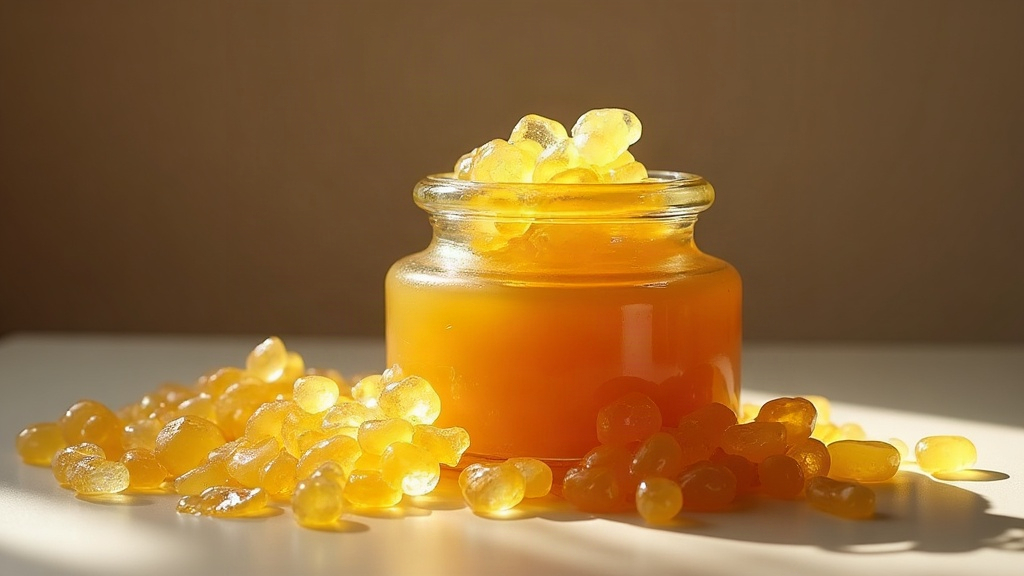
Honey and oil blends appear across old Mediterranean and Middle Eastern kitchen traditions, often mentioned together in ancient texts as pantry staples rather than remedies. Cooks combined pressed oils with honey for bread dips, glazes for roasted vegetables, and simple spreads served at the table during shared meals. The pairing shows up in stories and songs long before modern nutrition science existed, valued then for taste, texture, and how well it kept in a jar — not for any claim about health. Today, some people revisit this old combination simply out of curiosity about food history and traditional cooking, folding it into recipes the same way earlier cooks once did.

Reading about a traditional ingredient is different from using it as a substitute for medical care — any change to what’s on your plate is worth mentioning to the healthcare professional who already follows your history.

Everyday Moments Worth Mentioning To Your Doctor

Energy That Swings Widely After Meals

Feeling unusually energized then suddenly drained within the same hour after eating is worth describing to the doctor who already knows your history, rather than guessing at the cause alone.

Persistent Morning Fatigue

Waking up tired despite a full night's sleep, repeatedly, is a pattern worth raising at your next appointment with your healthcare provider.

Unexplained Changes In Appetite

A noticeable shift in hunger or thirst that doesn't match your usual routine deserves a conversation with the professional managing your care.

Difficulty Concentrating During The Day

Recurring trouble focusing, especially around meal times, is something worth mentioning at your next check-up rather than working around on your own.

Sleep That Feels Disrupted

Frequent nighttime waking or restless sleep is a detail your doctor may want to know about when reviewing your overall routine.

Any New Symptom That Feels Different

Anything that feels new or unusual — however small — is best brought directly to the healthcare professional who already follows your case, rather than researched alone.

How Some Readers Rethought Their Mealtime Routine

I never thought about the order I ate things in until I read about it here. Starting with the vegetables on my plate became a small habit I actually kept.

Diane R.
Illustrative account
The idea of a short walk after dinner instead of the couch changed my evenings. It's such a small thing but it stuck when bigger plans never did.
Marcus T.
Illustrative account
Learning about the history behind Biblical drink (oil)/ Honey blend was interesting on its own — it made me curious about other traditional foods too, and how meals used to be put together.
Priya N.
Illustrative account

Testimonials reflect individual experiences with everyday habits and meal organization. They are not a guarantee of any outcome, and results vary from person to person. This content does not describe medical results, lab values, or treatment outcomes.

Curious About The Story Behind Biblical drink (oil)/ Honey blend?

Explore the full guide on plate order, everyday meal habits, and the traditional roots of this old kitchen blend — written for reading and reflection, not as a substitute for medical advice. Always talk with your doctor before changing your diet, routine, or any prescribed treatment.

Advertising Disclosure: This page contains sponsored content and affiliate links. We may receive compensation if you click a link or make a purchase through the links provided on this page. This helps support the creation of educational content at no additional cost to you.

Content Disclaimer: This content is provided for educational and informational purposes only. It has not been evaluated by the FDA and is not intended to diagnose, treat, cure, or prevent any disease. It is not a substitute for professional medical advice, diagnosis, or treatment. Always consult a qualified healthcare professional before making any changes to your diet, routine, or any prescribed treatment.

Results Disclaimer: Individual results vary. Any testimonials or experiences shared on this page are personal accounts and are not a guarantee of similar outcomes for any reader.

© 2026 riseshinesolarwork.com · All Rights Reserved